
Rice Mill By-Product Accounting: Bran, Husk & Broken Rice
By Mithun K. Singh, Founder, Svasamm Research · 14 July 2026
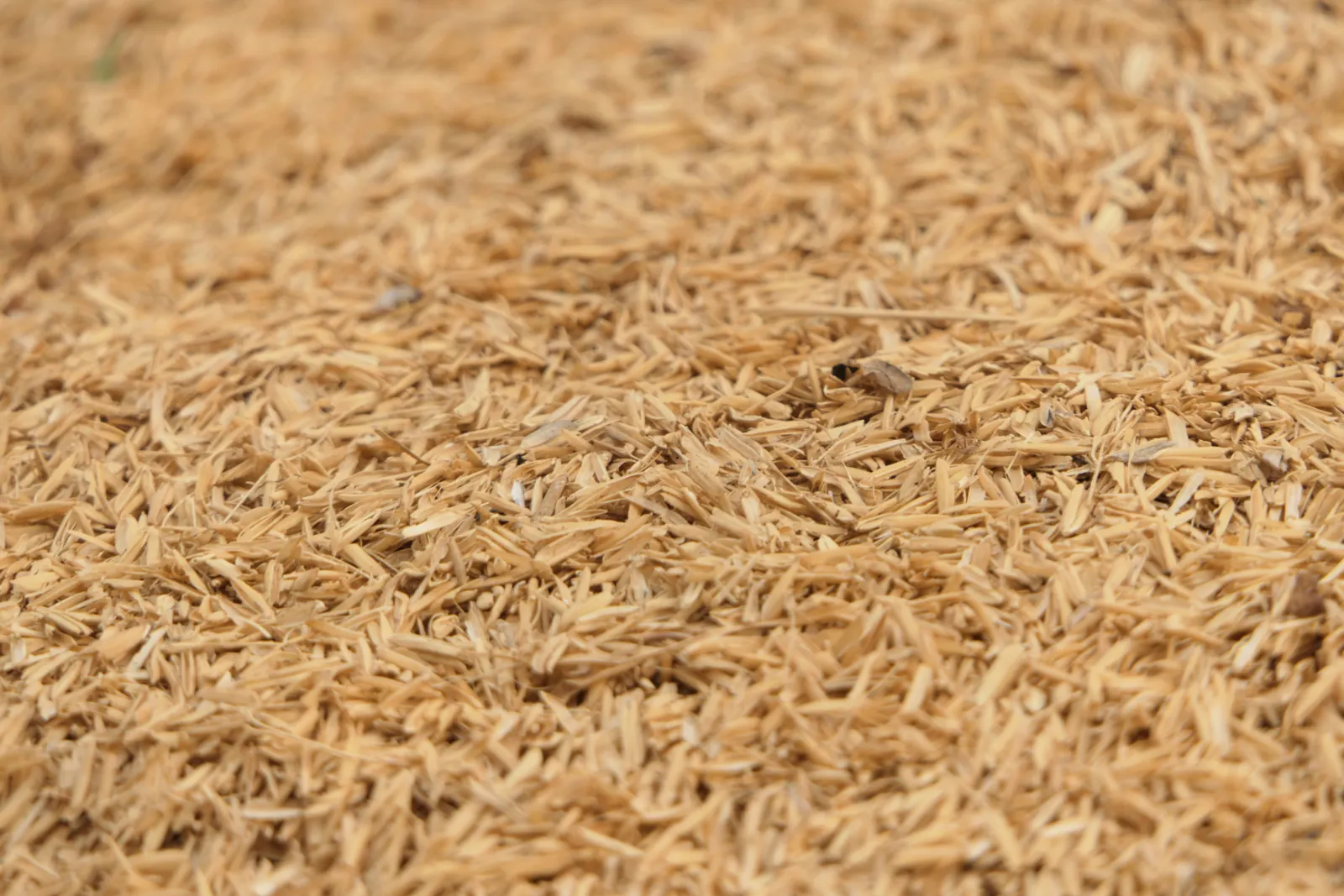
Ask a miller what they sell and they'll say 'rice.' But by weight, nearly a third of every quintal of paddy leaves the mill as something else — bran, husk, and broken rice. How well you track and sell those by-products often decides whether a milling run is profitable.
The main by-products
| By-product | Typical share of paddy | Where it’s sold |
|---|---|---|
| Head rice | 60–66% | Your primary product |
| Broken rice | ~5–10% | Lower-priced rice; food, brewing, feed |
| Bran | ~8% | Rice-bran oil extraction, cattle feed |
| Husk | ~20% | Boiler fuel, briquettes, board |
Account for by-products as separate stock and sales
The single biggest mistake is treating by-products as an afterthought. Each one should be:
- Booked as its own inventory item the moment a milling batch completes (bran/husk by weight; broken rice by grade/bag).
- Sold and invoiced separately, with its own price and GST treatment, so revenue is visible per by-product.
- Reconciled against the batch — paddy in should equal head rice + broken + bran + husk + loss. If it doesn’t, you have leakage.
Working out true cost per ton (or per bag)
- Paddy cost — the purchase price, after quality/moisture (butta) deductions.
- Processing cost — power, labour and transport attributable to the run.
- Less by-product income — bran, husk and broken sales offset the cost of producing head rice.
Two mills with identical paddy cost and rice price can have very different profit — the difference is usually how completely they capture and sell by-products.
See true profit per ton, by-products included
Millingo books bran, husk and broken rice as separate stock at batch completion, invoices each with its own price and GST, and computes cost per ton/bag after by-product income.